
By Evans Dakwa
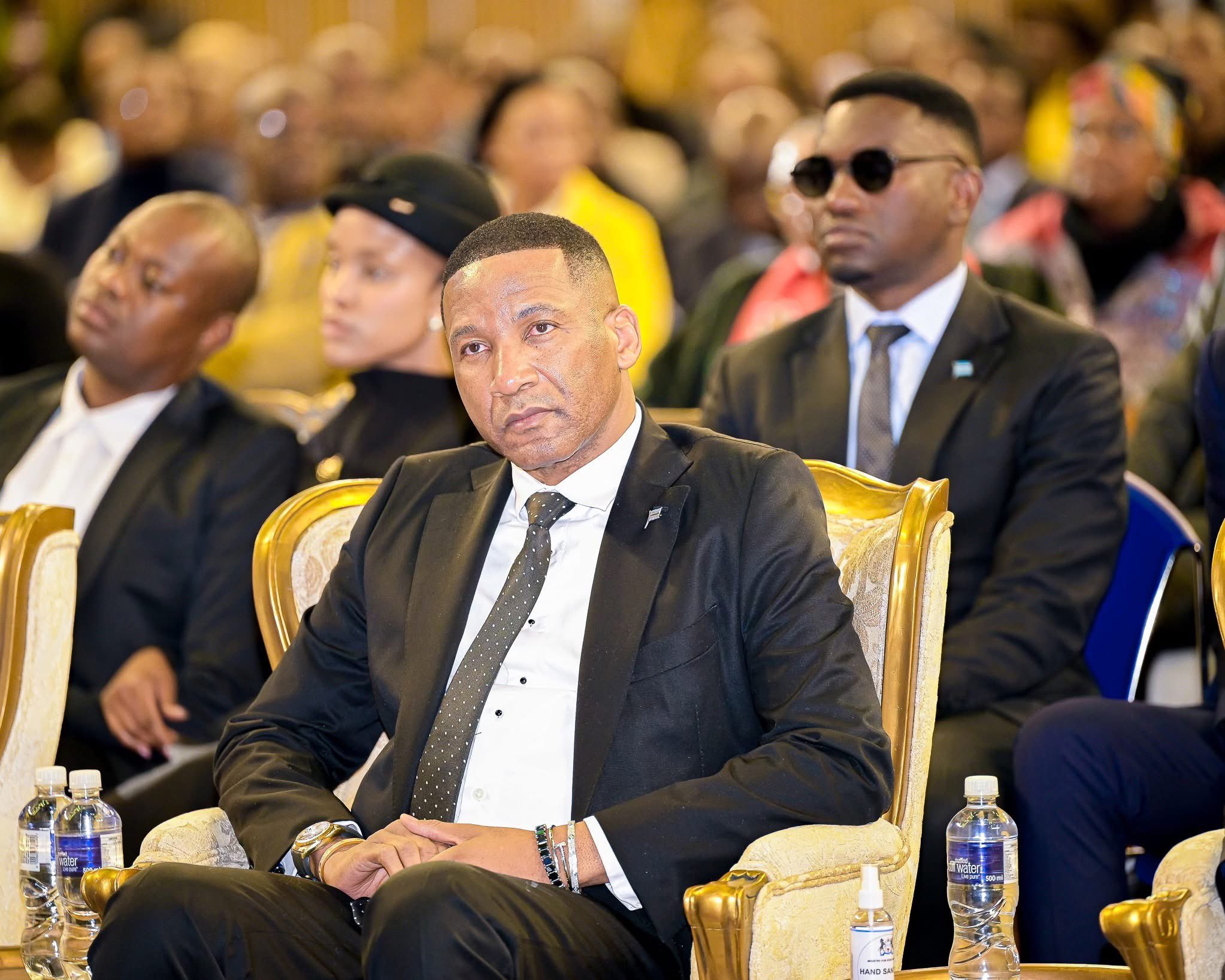
When charismatic Botswana President Duma Boko took over power about a year ago, there was pomp and fanfare in the Southern African country, whose economy is underpinned by diamonds as its economic pillar.
Mokgweetsi Masisi’s last days in power had the Batswana people feeling an economic pinch, and the coming in of the youthful Boko gave the nation renewed hope for better economic fortunes.
But a year on, the Batswana people recently woke up to disturbing news: an announcement by their government that the country’s public health system is facing severe shortages of medicines and medical supplies. Boko’s reign is being tested.
In its statement to the people of Botswana, Boko’s government said the shortages are due to financial challenges and a Pula 1 billion debt owed to private healthcare providers.
As a consequence, the government has stopped paying for those who go to the private sector for services not offered in public institutions, and all non-emergency services have been suspended.
To manage the situation, the government announced that “patients with postponed procedures will be monitored by local health facilities,” assuring the public that the government considers this a temporary measure and will provide regular public updates.
A Namibian-based economic analyst, Mahwani Kangausaru, says it’s clear the Botswana economy is struggling, and Boko has to act fast. “Botswana has to implement fast austerity measures, promote agriculture by reintroducing the fruits and vegetables ban Masisi had introduced. They have to diversify that economy fast,” he advises.
He also argues that the President of Botswana had a chance to implement solutions but didn’t.
“President Boko had almost a year to do the right things, slow down government subsidies, etc. He should have also pursued agro-based manufacturing projects, such as the Schweppes deal his predecessor Masisi had put on the table.”
“In short, Tswanas dumped a government that was implementing solutions, though painful, they were necessary. Masisi had experience; he saw it coming. I don’t get how he (Boko) did not see it; probably he did not listen to advisors in government,” he adds.
He also urged African leaders to learn from the Botswana situation and stop the over-reliance on commodities as pillars of the economy, as they are prone to shocks, but rather pursue manufacturing.
Another analyst, preferring anonymity, said, “They (the voters and Boko) thought Masisi was grandstanding when he said we need to turn to agriculture fast.”
It remains to be seen if Botswana will emerge from what its government has said is a temporary setback, with economists arguing it might become long-term if Boko and his government do not act fast.
