
By Staff Reporter
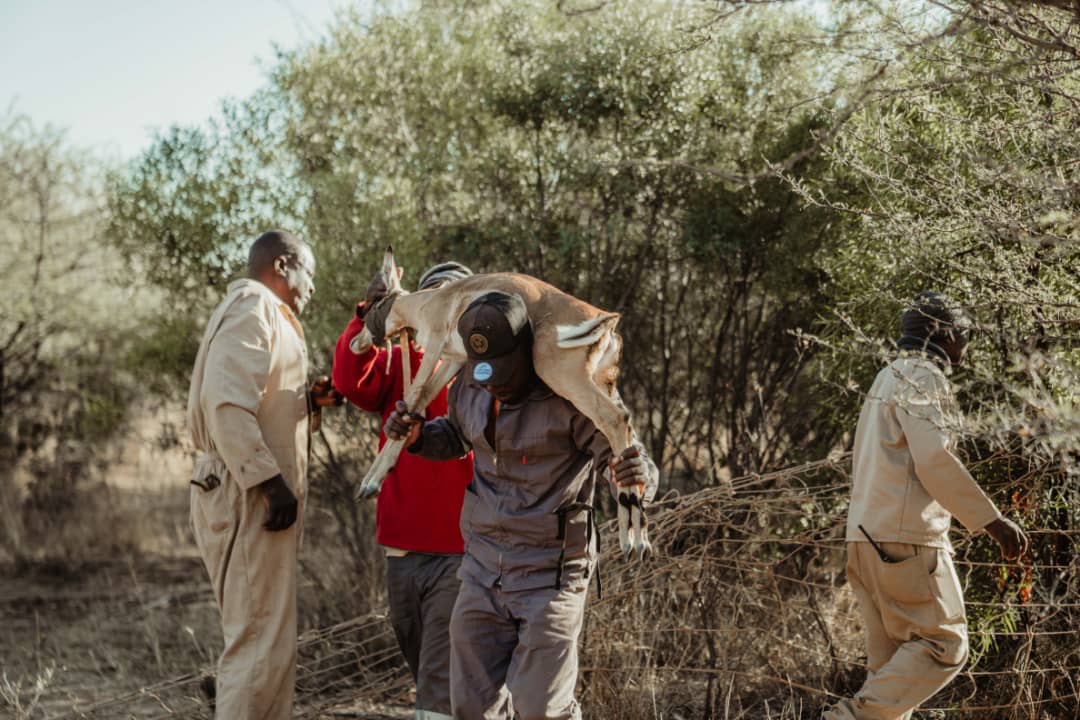
Binga, Zimbabwe – The Mucheni Community Conservancy (MCC) recently received 90 wild animals –73 impalas, 10 kudus, and 7 zebras – through a wildlife translocation exercise organized by the Sustainable Wildlife Management (SWM) Programme in Zimbabwe with funding from the European Union.
Implemented in partnership with the Zimbabwe Parks and Wildlife Management Authority (ZimParks) and Binga Rural District Council, the SWM Programme aims to restore biodiversity, support livelihoods, and strengthen community-led conservation in the region.This landmark initiative is part of a broader effort to revitalise the MCC’s ecosystem, which had suffered due to past poaching, drought, habitat degradation, and human-wildlife conflict.
By carefully selecting herbivorous species known for their ecological significance, the project intends to stimulate natural regeneration of grasslands and woodlands while laying the foundation for sustainable wildlife-based tourism.
“This is a game-changer for Mucheni,” said Itai Siabulembu, a conservationist with the ZimParks and Area Manager at Chizarira National Park.
“By reintroducing these animals, we are restoring the ecological balance and setting the stage for economic opportunities through eco-tourism and conservation employment.”
Local leaders and community members have welcomed the project as a long-awaited boost to their conservation aspirations. For decades, the Mucheni community has sought to manage and benefit from its natural resources through sustainable practices rooted in traditional knowledge and environmental stewardship.
Community ownership is at the core.
The success of this initiative lies in the active participation of the local people. The planning process involved extensive consultations with traditional leaders, village development committees, and community representatives to ensure the translocation aligned with their land-use plans and development priorities.
“Our people have always lived alongside wildlife, and this project strengthens that bond,” said Senior Village Head Elmon Mudenda.
“There is no conservancy without animals. With wildlife back in Mucheni, we can dream again of jobs, tourists visiting and passing on this heritage to our children.”
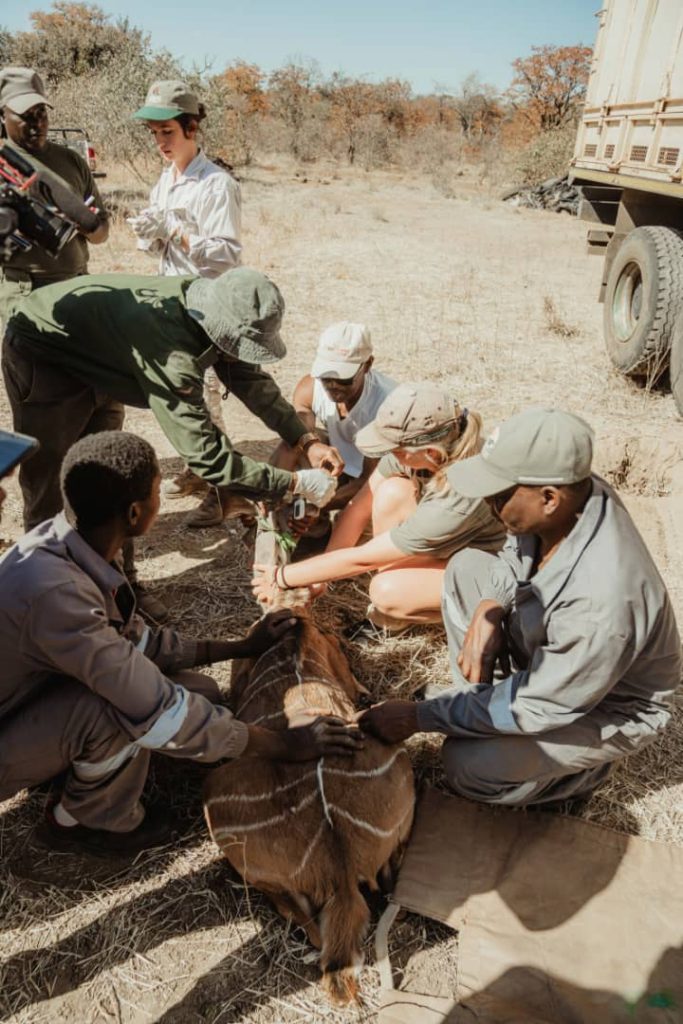
The translocation was carried out with meticulous preparation and monitoring by wildlife experts, veterinarians, and rangers. The animals were selected from areas where populations are stable, ensuring minimal ecological disruption. Health checks were conducted before, during, and after the operation to guarantee their wellbeing.
“This is not just about moving animals; it’s about restoring ecosystems, building climate resilience, and empowering people,” explained Mthokozisi Dlodlo, a wildlife ecologist working for the SWM Programme.
“The introduction of these species is expected to attract predators and additional wildlife, fostering a balanced and thriving ecosystem.”
Long-term vision
The Mucheni Community Conservancy has setup monitoring mechanisms to track animal adaptation, habitat use, and broader ecological impacts. Training programmes for local rangers and community-based resource monitors are also underway, ensuring that the community remains at the forefront of this transformation.
Looking ahead, stakeholders envision Mucheni as a model for community-driven conservation in Zimbabwe where nature and people coexist harmoniously, and conservation leads to improved livelihoods.
The SWM Programme continues to support biodiversity restoration in Zimbabwe. In Mucheni, the translocation of these 90 wild animals is a conservation milestone and a powerful reminder of what is possible when partnerships, people, and purpose come together for nature.
About the SWM Programme
The SWM Programme is a major international initiative that aims to improve the conservation and sustainable use of wildlife in forest, savannah and wetland ecosystems. It is being funded by the European Union with co-funding from the French Facility for Global Environment (FFEM) and the French Development Agency (AFD). It is one of the largest European Union-funded biodiversity programmes and contributes to the European Global Gateway and NatureAfrica. Projects are being piloted and tested with governments and communities in 15 participating countries. The initiative is coordinated by a dynamic consortium of four partners, namely the Food and Agriculture Organization of the United Nations (FAO), the Center for International Forestry Research and World Agroforestry (CIFOR-ICRAF), the French Agricultural Research Centre for International Development (CIRAD) and the Wildlife Conservation Society (WCS).
